
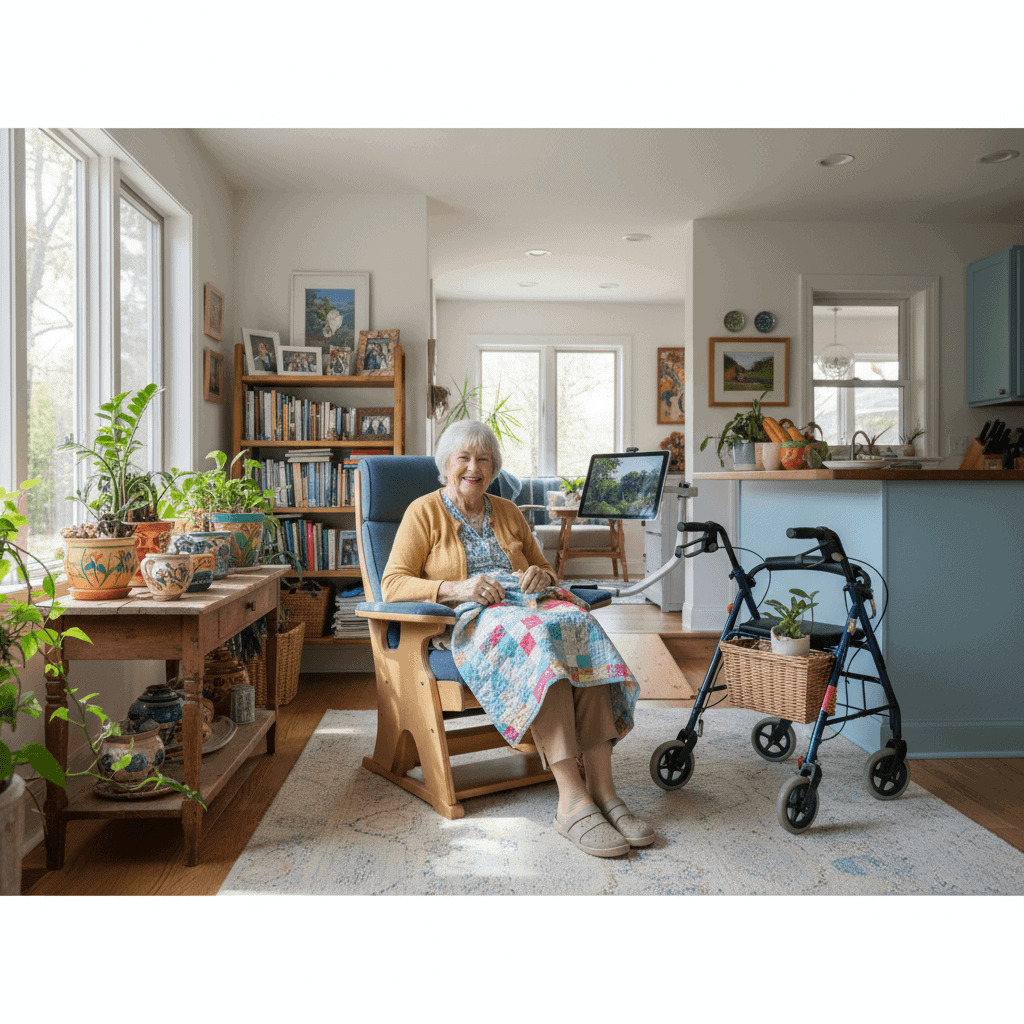
Empower Senior Independence Through Home Personalization
Helping older adults keep their independence at home starts with thoughtful personalization. When living spaces reflect a person’s habits, preferences, and physical needs, everyday tasks become easier and residents can stay in familiar surroundings longer. This article outlines practical, person-centered approaches that focus on comfort, safety, memory support, and social connection while keeping dignity intact.
Personalization is more than decorating. It is a blend of simple modifications and design choices that reduce daily friction. The techniques described below are based on common challenges seniors face such as mobility changes, vision shifts, and memory differences. They offer pragmatic tips families and care partners can apply room by room.
Why promoting senior independence through home personalization matters
People who live in homes that match their needs report higher satisfaction and fewer relocations to institutional settings. A few small changes often prevent falls, lower stress, and reduce the need for frequent external help. Personalization can also support routines that maintain physical health such as cooking, hygiene, and physical activity.
Research shows that modifying the environment can cut fall rates and increase confidence in performing daily tasks. Practical design choices can be surprisingly low cost. For example, rearranging furniture to widen walkways, improving lighting, and adding clear visual cues for commonly used items often yield immediate benefits.
Safety first practical changes that maintain dignity
Safety is the foundation of a personalized senior home. This does not mean clinical or impersonal modifications. The goal is to create secure spaces that respect privacy and taste while lowering risk of accidents. Start with a safety audit to identify high-risk areas such as stairs, bathrooms, and kitchens.
Lighting and visibility
Good lighting reduces trips and makes reading and cooking easier. Use layered lighting: ambient fixtures plus task lighting for counters and bedside areas. Replace dim bulbs with warmer, higher lumen options that reduce glare. Night lights in hallways and motion sensor lights near toilets prevent disorientation during nighttime trips.
Flooring and trip hazards
Remove loose rugs or secure them with non-slip underlays. Choose flooring with low glare and moderate cushioning to reduce impact from potential falls. For transitions between rooms, install smooth thresholds that do not create sudden height changes. If stairs are present, add high-contrast strips at the edge of each step and consider sturdy handrails on both sides.
Comfort and daily routine adjustments that support independence
Comfortable spaces encourage activity. Simple tweaks can help seniors remain engaged in household tasks and hobbies. Focus on reachable storage, seating that supports getting up, and layouts that shorten trips between frequently used areas.
Kitchen changes for easier meal preparation
Lower upper shelves to bring commonly used items within reach. Replace heavy cabinet doors with pull-out drawers or open shelving for visibility. Add a stable step stool with a handle rather than having items out of reach. Consider lever-style handles for faucets and easy-grip knobs on cabinets. Position a microwave at countertop level instead of above the stove to avoid lifting hot items overhead.
Bathroom modifications for safer bathing
Bathrooms are a frequent site of falls. Install grab bars near the toilet and inside the shower or tub. Non-slip mats and a shower chair make bathing safer and less tiring. A handheld shower head and a curbless shower entry reduce stepping effort. If remodeling, consider a walk-in tub or a low-threshold shower to simplify access.
Memory and orientation design for cognitive support
For individuals with memory concerns, the home can be organized to reduce confusion and stress. Visual cues, consistent placement of everyday items, and clear labeling help maintain independence in daily tasks. Keep frequently used items in the same, easy-to-reach spots to build reliable routines.
Contrast and color can help with wayfinding. For example, use contrasting colors for door frames or place a brightly colored rug in front of the kitchen sink to signal activity zones. Avoid overly busy patterns that may cause visual overload. Use clocks with large numerals and easy-to-read calendars in common areas to reinforce orientation to day and time.
Technology choices that are simple and reliable
Technology can support independence when it is selected for simplicity and reliability. Focus on devices with clear interfaces, large buttons, and straightforward setup. Examples include voice-activated lights that respond to natural speech and emergency call systems with one-touch buttons.
Smart home products are useful when they reduce physical effort without adding complexity. For instance, a smart plug that schedules a lamp to turn on at dusk reduces the need to fumble for switches. However, avoid introducing too many new devices at once. Pair technology with clear instructions posted near the device and a brief demonstration for the resident.
Design that respects personal identity and social life
Personal items and social spaces preserve identity and connection. Displaying familiar photographs, meaningful artwork, and treasured objects supports emotional well-being. Personalized shelving that safely showcases collectibles provides both a sense of ownership and conversation starters for visitors.
Arrange seating to invite conversation and make it easy for friends or family to share a meal. Small changes such as a flexible table that seats guests or a comfortable armchair near the main activity zone encourage social interaction. For gardens or balconies, add accessible planters and seating to maintain engagement with the outdoors.
Engaging family and professionals in the personalization process
Personalization works best when the senior is involved in decisions. Family members, designers, or occupational therapists can offer suggestions, but the resident’s preferences should guide choices. Start with questions such as What activities matter most, and Which tasks feel difficult now. These answers direct small, high-impact changes.
There are many helpful resources online and in print that detail room-specific ideas. For an easy guide to options you can discuss with a professional, visit a dedicated page on senior home personalization to explore examples and checklists. Use visuals like sketches or photos so everyone shares the same expectation before work begins.
Budgeting and planning personalization projects
Not all effective changes are expensive. Create a prioritized list of modifications: immediate safety fixes, comfort improvements, and longer-term renovations. Many families start with low-cost items such as brighter bulbs, non-slip tape, and storage reconfiguration. Plan bigger projects like bathroom remodeling when time and funds permit.
- First month focus on quick wins: clear walkways, add night lighting, and secure loose rugs.
- First quarter tackle medium projects: install grab bars, update cabinet hardware, and add task lighting.
- First year consider larger investments: redoing a bathroom, remounting kitchen counters, or replacing flooring for improved safety.
Seek local funding programs or tax credits for senior-focused home improvements. Some community organizations offer grants or low-interest loans for accessibility projects. Compare several contractors and ask for references from other households that completed similar work.
Measuring success and adjusting over time
After changes are made, follow up to see how well they work in daily life. Ask the resident whether tasks feel easier, whether they feel more confident moving around, and whether any modifications cause unexpected issues. Keep a small notebook or digital note where caregivers and family members can record observations and suggestions for future adjustments.
Adaptation is part of living well. Minor tweaks such as moving a lamp, rearranging frequently used items, or changing a cushion height can make a difference. Periodic reviews every six months are a low-effort way to keep the home aligned with needs as they change.
Personalizing a home for an older adult is a practical path to longer, happier residence in familiar surroundings. By focusing on safety, comfort, memory support, and social connection, families and professionals can create supportive spaces that respect choice and dignity. Start with small checks that yield quick improvements and plan bigger projects with clear priorities. If you are ready to take the next step, gather photos of key rooms, list daily challenges, and set a simple budget. Then consult with those who will live there so changes reflect personal taste and routines. Thoughtful personalization pays off in daily ease and sustained independence so take action today and make the home a place that truly fits the resident.